Our first good cooler was a $35 Coleman Xtreme we bought for a 2008 Labor Day cookout. It held ice through the party, cracked a hinge the next summer, and sat in the garage until we finally admitted the $300 YETI would have been cheaper per cookout. Since then we have tested, cursed at, and lived with a stack of them, from rotomolded flagships to the soft bag you grab for the lake. These are the three coolers we actually reach for, plus the budget options worth knowing when $325 is not in the plan.
Alcohol-adjacent gear is our beat, and a cooler is where every outdoor party begins. The one you buy decides whether the last beer at 11 p.m. is still cold or floating in sadness water. Here is what we have learned.
What makes a good cooler?
Three things separate a cooler that holds ice from a cooler that leaks it. First, the walls need at least two inches of pressure-injected polyurethane foam, not cheap air-filled expanded polystyrene. Rotomolded construction, where the plastic shell is molded as one seamless piece, is the shortcut sign of this. Second, the lid gasket has to actually seal under pressure; cheap coolers use a lid that sits on top of the body and leaks cold air every time the sun warms the plastic. Third, the drain plug matters more than people think, because a plug that weeps is a plug that bleeds out ice overnight.
Capacity is the other variable. A 45 to 50 quart hard cooler is the sweet spot for a group of six to eight. Smaller is a personal cooler. Bigger means two people to carry it when it is full of ice.
Our top picks for the best cooler
We tested the YETI against the RTIC in our yard across a long weekend in July with matched 20 pound ice loads, matched can counts, and a shaded concrete slab. Here are the three we still reach for.
YETI Tundra 45, best overall
The Tundra is the cooler every other cooler gets measured against. Rotomolded one-piece construction, pressure-injected PermaFrost polyurethane insulation, a FatWall gasket that compresses when the T-rex latches lock down, and the Vortex drain plug that actually threads cleanly. It is heavy at 23 pounds empty, which is the point. The weight is foam.
We have hauled ours to tailgates, hunting camps, beach weekends, and a four-day float trip. The ice lasts seven to ten days in shade, four to five in sun, and when you drain the melt it comes out clear and cold.
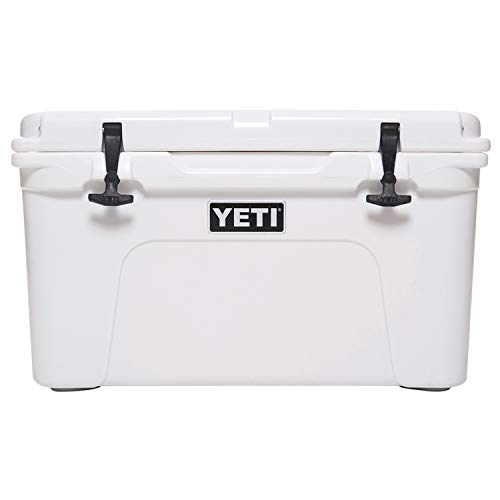 YETI Tundra 45 Hard Cooler. Best overall. One-piece rotomolded shell, two inches of PermaFrost insulation, FatWall gasket, T-rex latches, and the ice-retention number everything else is scored against. Fits roughly 54 cans. Bear-resistant certified by the IGBC when padlocked.
RTIC 45 QT, best value premium
If the Tundra is the Mercedes, the RTIC 45 is the Lexus. Same rotomolded construction, same two-inch pressure-injected foam, same hefty rubber latches, same thick lid gasket. In our side-by-side ice test the RTIC trailed the YETI by about four hours over seven days, which is a rounding error. The latches feel marginally cheaper and the resale market is thinner, but you save roughly $86 on the sticker, and that pays for a lot of beer.
The RTIC fits a couple more cans than the Tundra 45, which is a function of a slightly different interior shape, not insulation thickness.
 RTIC 45 QT Ultra-Tough Hard Cooler. Best value premium. Rotomolded one-piece build, two inches of injected foam, nearly identical ice retention to the Tundra at a lower sticker. Fits about 60 cans. Our pick when a YETI feels like too much.
YETI Hopper Flip 12, best soft cooler
A hard cooler is overkill for a day on the river, a bike ride to the park, or a round of golf. The Hopper Flip 12 is what we grab instead. Closed-cell rubber foam insulation, a Hydrolok leakproof zipper, a shell YETI claims is 100 percent waterproof and that we have confirmed by sitting on it. It carries about a dozen cans plus a layer of ice and weighs under four pounds empty.
Ice life is 36 to 60 hours depending on load and sun, which is better than any other soft cooler we have carried and shorter than any decent hard cooler. That is the trade.
 YETI Hopper Flip 12 Portable Cooler. Best soft cooler. Hydrolok leakproof zipper, DryHide waterproof shell, closed-cell rubber foam. Holds about 13 cans plus ice for a day on the water or a long walk to the park. Comes with a shoulder strap and a center handle.
Hard versus soft, decided in one paragraph
Hard cooler if the party is more than ten people, lasts more than four hours, or will not be moved after it is loaded. Soft cooler if one person has to carry it, if it is going in a boat or a kayak, or if a hard cooler would be rolling around unsecured. Buy one hard cooler for the house and one soft cooler for the outings; that covers 95 percent of what a drinking-adjacent household needs.
How the field compares
The three picks above are what we buy. These are the budget alternatives most people also ask us about.
| Cooler | Current price | Capacity | Ice retention (shade) | Type |
|---|---|---|---|---|
| YETI Tundra 45 | $325 | ~54 cans | 7 to 10 days | Hard, rotomolded |
| RTIC 45 QT | $239 | ~60 cans | 7 to 9 days | Hard, rotomolded |
| YETI Hopper Flip 12 | $270 | ~13 cans | 36 to 60 hours | Soft |
| Coleman Xtreme 70 | ~$70 | ~100 cans | 3 to 5 days | Hard, blow-molded |
| Igloo BMX 52 | ~$130 | ~72 cans | 4 to 5 days | Hard, injected foam |
The Coleman Xtreme is the cooler we recommend for someone throwing exactly one summer party a year. Blow-molded shell, two inches of insulation, big handles. It will not last ten years, but it holds ice for a long weekend, and the first time you spill $300 of beer on your foot carrying a loaded YETI you may wish you had bought the lighter cooler anyway. The Igloo BMX is the half-step up: rubber latches, injected foam, more lid gasket, three to four seasons of hard use before anything cracks. All three budget options are solid; none are built like the Tundra or the RTIC.
Ice retention tricks that actually work
A good cooler is half the equation. How you load it is the other half.
Pre-chill the cooler the night before, as noted above. Pre-chill the drinks too, because a warm 12-pack takes six hours of ice life to cool. Load a one-gallon block of ice at the bottom of the cooler, because a block holds longer than cubes and the mass slows the whole system down. Fill the gaps above the block with cubes so cold air can sink through everything. Keep the drain plug shut; melt water sitting around the drinks is colder than air, and that is good. Open the lid as few times as possible, which is a reason to split drinks and food into two coolers.
Pair it with the rest of the backyard setup
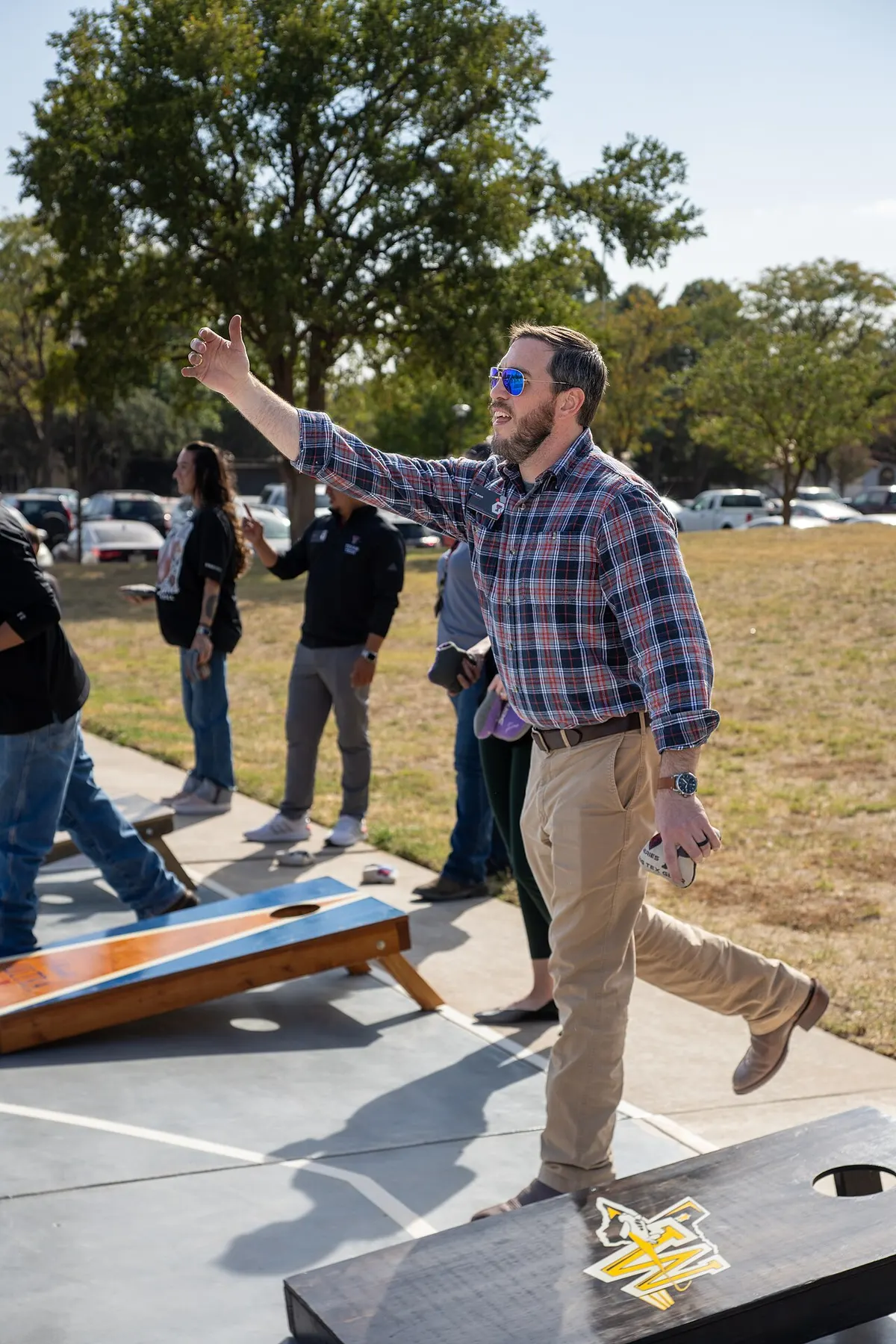
A good cooler is one piece of the setup. If you are building a backyard party rig from scratch, pair it with regulation cornhole boards, a beer pong table, and the flasks and growlers that go on the trip home. For the serious keg-powered backyard, our kegerator guide is where that path starts.
For the broader context on cooler construction and the IGBC bear-resistant testing standard the YETI Tundra passes, the Interagency Grizzly Bear Committee’s product testing program publishes the official certifications. Worth a skim if you camp in bear country.
Quick answers
Everything you need to know about buying one, in one place.
What is the best cooler for a party? A YETI Tundra 45. It holds ice for 7 plus days in shade, swallows roughly 54 cans, and the lid gasket actually seals. If you want the same build for about $86 less, the RTIC 45 QT is nearly identical.
How long does a YETI hold ice? 7 to 10 days in shade, 4 to 5 days in direct summer sun, longer if you pre-chill the cooler.
Is RTIC as good as YETI? Close enough that we own both and recommend both. The RTIC trails the YETI by a few hours over a week in our tests.
Hard cooler or soft cooler for parties? Hard for anything over 10 people. Soft for day trips and anything one person has to carry.
How much ice should I buy for a 50-quart cooler? Roughly 20 to 25 pounds, or a 2-to-1 ratio of ice to drinks by volume.
Should I pre-chill a cooler before loading it? Yes. You buy back about half a day of ice life for the cost of a few pounds of sacrificial ice.
Is a YETI worth it over a Coleman? If you use a cooler more than four or five times a year, yes. Over a decade, the YETI is cheaper per cookout.
What size cooler do I need for a tailgate? A 45 to 50 quart hard cooler covers six to eight people for a game.
How do you keep drinks cold without ice melting fast? Pre-chill the cooler, pre-chill the drinks, use a block plus cubes, keep the lid shut, keep it in shade, lay a wet towel over the top.
Drink responsibly, and keep an eye on anyone who might be driving home. The best cooler on earth cannot sober up a bad decision. We have hosted parties since 2008, and the one rule that has aged well is: water in the cooler too, free and visible.
Enjoy the backyard season.