Shot glasses are the piece of bar gear that gets replaced most, because we treat them worst. They get knocked over on a wet counter, dropped into a dishwasher without a thought, and handed to friends who leave them in a yard somewhere at 1 a.m. We have gone through more sets of shot glasses since 2008 than any other glass in the house.
Here is the short version of what we buy now, what we skip, and what to look for when a set of six will be the only shot glasses on your shelf for the next two years.
What size should the best shot glasses be?
In the United States, a standard pour is 1.5 fluid ounces, or 44 ml. That is one US jigger. A heavy-base shot glass is designed to fill to the brim at that pour, which is useful: if the glass is full, you poured right. In most of Europe a shot is closer to 20 or 25 ml, which is why tall imported shooters often hold less than they look like they should.
Three real sizes to know:
| Glass type | Capacity | Best for |
|---|---|---|
| Standard heavy base | 1.5 oz / 44 ml | A one-jigger pour, straight spirits, cocktail measuring |
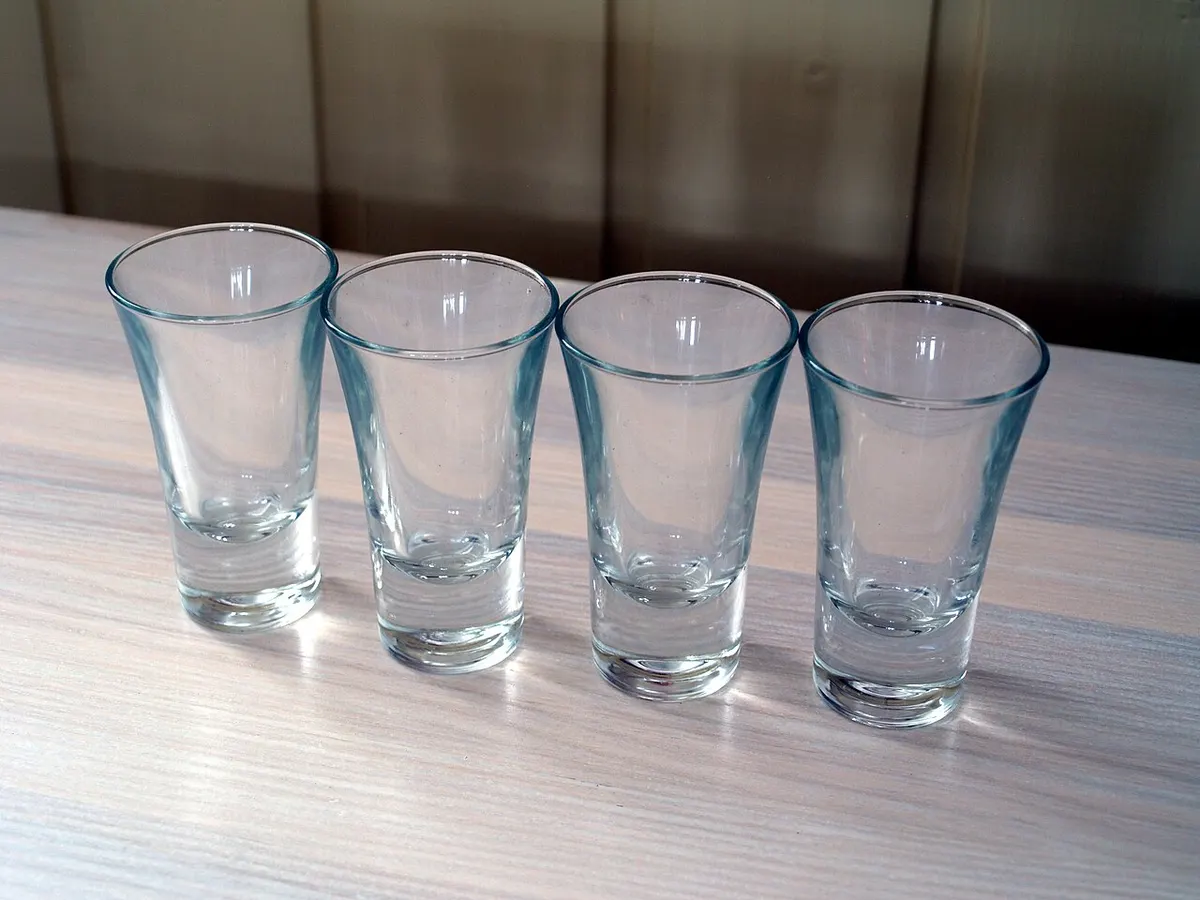
| Tall shooter | 2 to 3 oz / 60 to 90 ml | Layered shots, chilled vodka, party pours |
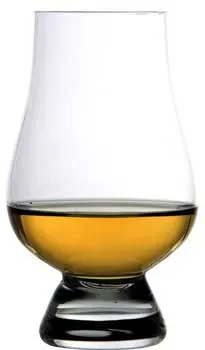
| Tasting glass (Glencairn) | 6 oz brim, 1.5 oz pour | Sipping whiskey, bourbon, rum, mezcal, agave spirits |
| Caballito / tequila | 2 oz / 60 ml | Reposado and anejo tequila, served chilled with salt and citrus on the side |
A 2 oz glass is not a 1.5 oz glass. If you pour cocktails and expect the glass to double as a measure, buy a true 1.5 oz heavy base and reserve the taller shooters for parties.
What makes a good heavy-base shot glass?
The weighted bottom is the whole point. A heavy base, called the sham, lowers the center of gravity so the glass does not tip when the counter is wet or when a friend reaches across the table. The thickness also protects the glass in the dishwasher, which is where cheap thin shot glasses go to die.
Four things we check when a set is on the counter:
- Thick sham, at least 10 mm (about 3/8 inch) at the bottom.
- Straight or slightly flared rim with a fire-polished edge. Rough rims chip within a month.
- Lead-free glass, labeled on the box. Any reputable brand lists this.
- Dishwasher safe. Hand washing six shot glasses after a party is a punishment.
The Libbey 5120 is the restaurant standard for a reason: 1.5 oz, 2 3/8 inches tall, a thick base, and sold by the case to bars that need glasses that survive a Saturday night. For a home bar, a set of six to twelve of that style covers almost every use. JoyJolt and Farielyn-X sell similar heavy-base sets in home-sized packs.
Tall shooters, caballitos, and when to use each
Tall shooter glasses, the straight-sided 2 to 3 oz ones, are built for layered shots and for drinks that need to look tall. B-52s, chilled vodka, test-tube party shots. They are more fragile than a short heavy base, and they do not double as a measuring glass because 2 oz is not 1.5 oz, so a cocktail recipe written for a jigger will come out wrong.
Caballitos are the traditional tall tequila glasses: narrow, roughly 2 oz, often slightly flared at the rim. They are built for sipping reposado and anejo chilled, with salt and citrus on the side, not for slamming. If your tequila costs more than $30 a bottle, a caballito or a Glencairn is the right call.
Tasting glasses, if you actually want to taste the spirit
A Glencairn tulip is not a shot glass in the strict sense, but it is the glass we reach for whenever a bottle is worth paying attention to. The narrow mouth concentrates the aromas, the wider belly lets you swirl without spilling, and the weighted foot sits stable. We have reviewed shot glasses since 2008, and the Glencairn is the one glass we tell every home bar to buy at least two of.
The NEAT glass, which flares out at the rim, is a divisive alternative. Fans say the wider opening disperses ethanol fumes and lets the actual flavors come through. Skeptics say it tastes like drinking from a measuring beaker. Try one if a friend has them, do not buy a four-pack sight unseen.
Novelty shots: skip most, keep one
Shot ski, test tubes, tequila boot, pepper-shaker shot: these have a place at exactly one party per year. The rest of the time they sit in a cabinet gathering dust because they do not stack, do not fit a dishwasher rack, and do not fill cleanly to a measure. Keep one novelty set for the birthday rotation and buy real glass for everything else.
Ceramic and metal shot glasses are a step better. A good steel shot glass does not break and travels well, which is why they live in the camping bin and not on the bar. Ceramic shots from distillery tasting rooms are usually souvenirs: pretty, not practical.
A note on responsible pours
Shot glasses are a one-and-a-half ounce reminder that this stuff is strong. A 1.5 oz pour of 80-proof spirit is one standard drink. We mention it because the glasses that follow are built to measure that, not to double it. Pace yourself, drink water alongside, and if a round is going to a game or a toast, keep the pour exactly one jigger and keep water close. The site is for readers of legal drinking age.
Quick answers
What size is a standard shot glass? 1.5 oz, or 44 ml, in the United States. Tall shooters are 2 to 3 oz. Tasting glasses hold more at the brim but are meant for a 1.5 to 2 oz pour.
What makes a good shot glass? A thick weighted sham, a fire-polished rim, lead-free glass, and dishwasher-safe labeling.
Are heavy-base shot glasses better than thin ones? For a home bar, yes. The weighted base keeps the glass from tipping and survives the dishwasher. Thin shooters chip at the rim fast.
Can I use a shot glass as a jigger? A heavy-base 1.5 oz glass fills to the brim at one US jigger, so yes in a pinch. A proper two-sided jigger is still more accurate for cocktail work.
What is the best glass for sipping whiskey? A Glencairn tulip. The shape concentrates aromas and sits stable.
Are novelty tequila boot or test tube shots worth buying? Keep one for a party. Do not stock up: they do not stack, do not fit dishwasher racks, and do not measure cleanly.
Related reads
- Our picks for the best jiggers and bar spoons if you want measuring that is more precise than a brimful shot glass.
- The best whiskey glasses for anything you want to drink slower than a shot.
- Full home bar essentials list for anyone starting from scratch.
For a reference on US standard drink sizes, the NIAAA fact sheet on standard drinks explains why 1.5 oz is the baseline.